

Autonomic Nervous System Modulation Following NanoVi®: A Pilot Study
Authors: Susanne Neuy, MD¹, Francisco Cidral Ph.D²,³,⁴ and Nathalia Donatello Ph.D²,³
1. Praxis Dr. Neuy, Oberstaufen, Germany
2. Experimental Neuroscience Laboratory (LaNEx), University of Southern Santa Catarina, Palhoça, Brazil
3. Integrative Wellbeing Institute, Windermere, FL, USA
4. Research Laboratory of Posturology and Neuromodulation (RELPON), Department of Human Neuroscience, Sapienza University, Rome, Italy
Becoming More Resilient
If you track HRV, you already know that the real goal is not just a higher number — it is a more resilient autonomic nervous system. This pilot study tested whether a single 15-minute NanoVi® session could measurably shift that balance. The results were striking: sympathetic activity (the stress response) dropped by 45.7%, while parasympathetic activation — the recovery side of the equation — increased significantly. For anyone using HRV as a performance or longevity metric, this study offers some of the clearest clinical data available on how NanoVi® supports autonomic balance.
Abstract
Background: The autonomic nervous system (ANS) plays a crucial role in physiological regulation by balancing sympathetic and parasympathetic activity. Heart rate variability (HRV) is a well-established method for assessing autonomic function. For a foundational overview of what HRV is and why it matters for recovery, see our dedicated HRV explainer. This pilot study aimed to evaluate the effects of NanoVi® therapy on autonomic regulation using HRV analysis.
Objective: This study explored whether a 15-minute session of NanoVi® could enhance HRV parameters, particularly those related to parasympathetic tone and stress response.
Methods: Thirty-nine (n=39) participants underwent baseline HRV measurement (Group 1) followed by a 15-minute NanoVi® therapy session, after which HRV was reassessed (Group 2). HRV parameters were measured using the ANS Analysis device (Creating Health, Germany). Key autonomic markers analyzed included: RMSSD (Root Mean Square of Successive Differences) – a measure of parasympathetic activity; Stress Index (SI, Baevsky method) – an indicator of sympathetic activity; Alpha-1 value (DFA 1) – an index of overall autonomic regulation and coordination. The Software GraphPad Prism, v10.0 (La Jolla, CA, USA) was used for the analysis. Normality assessed with the Shapiro-Wilk test. Wilcoxon matched-pairs signed-rank test used for non-parametric comparisons.
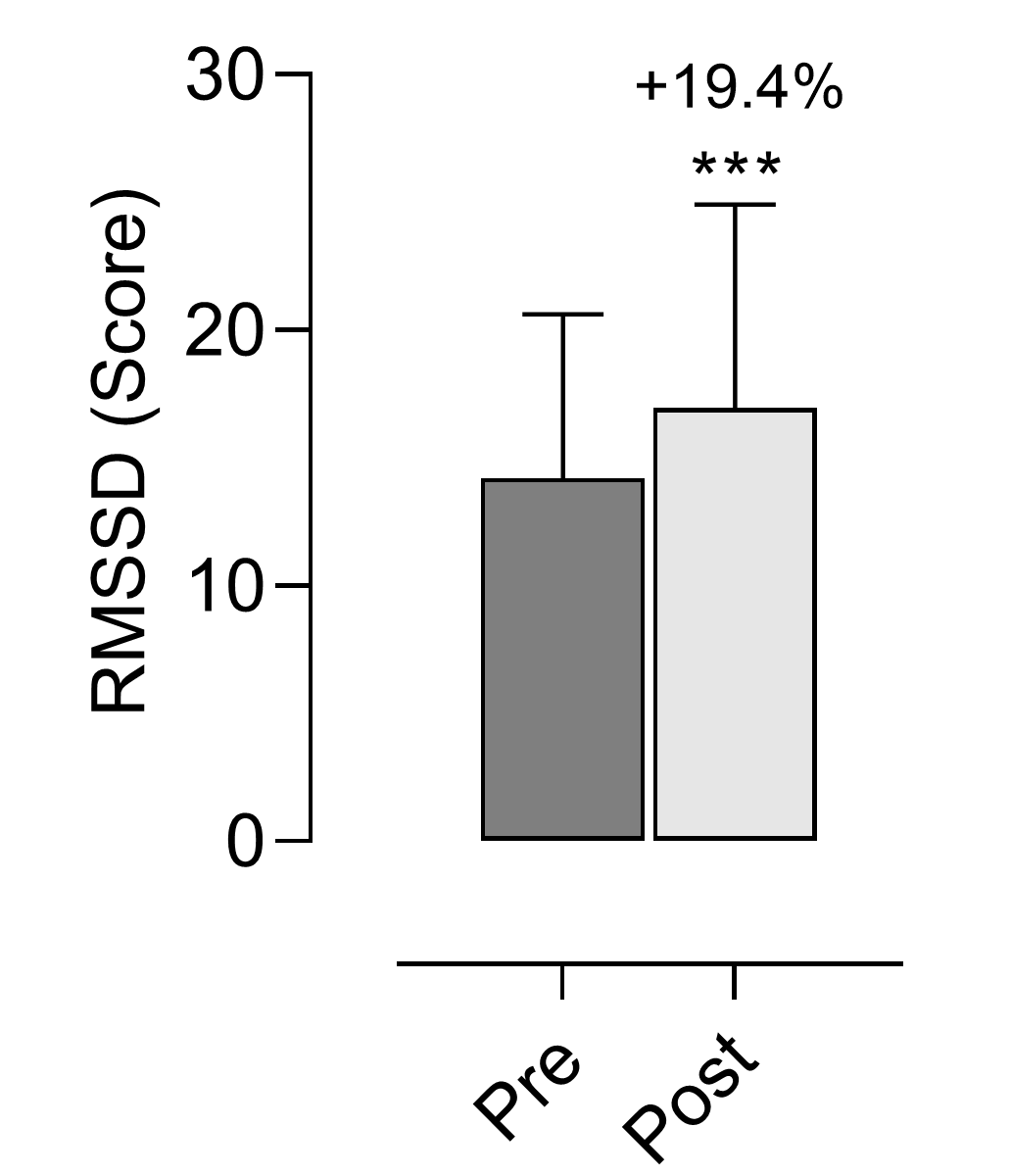
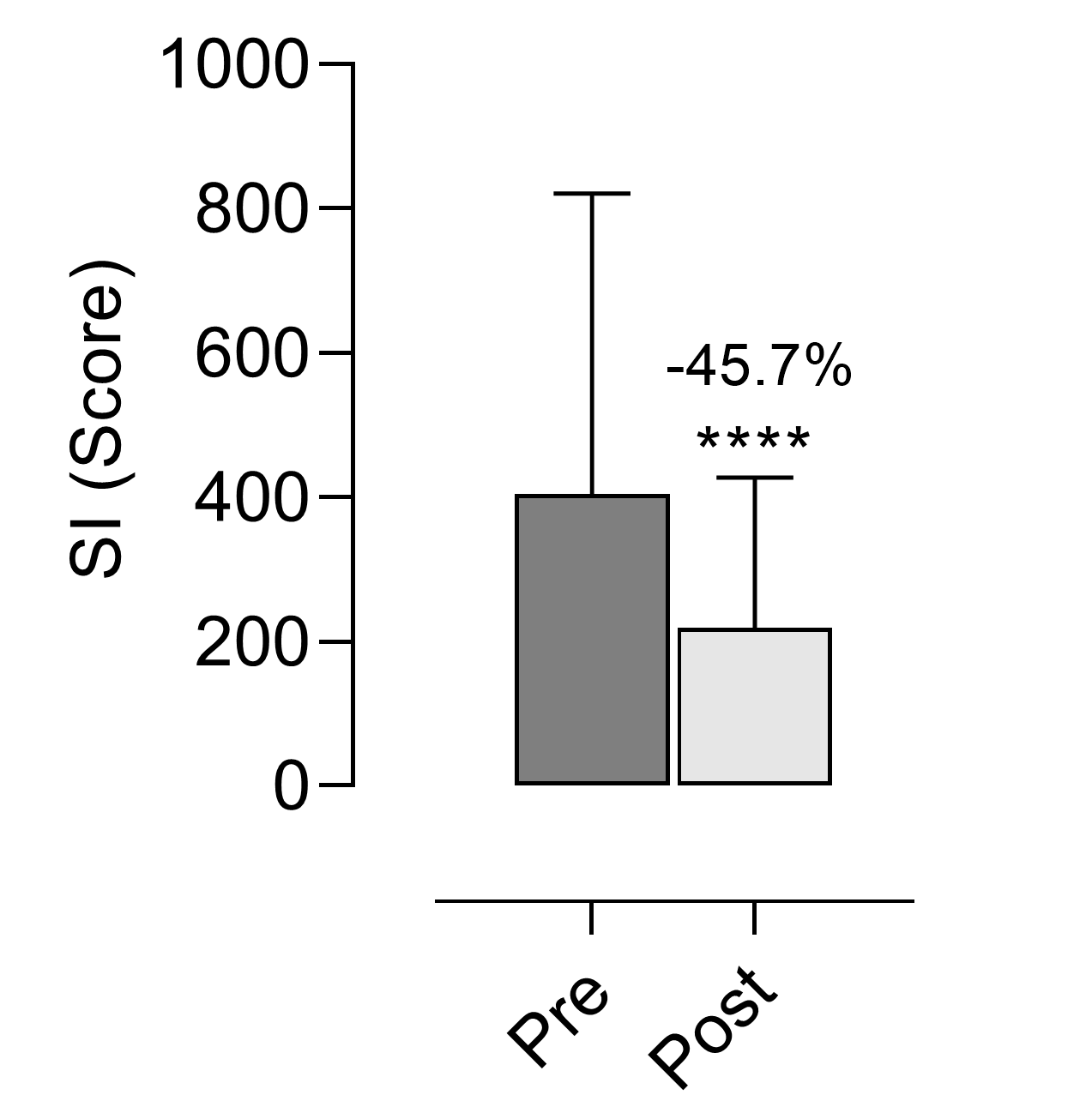
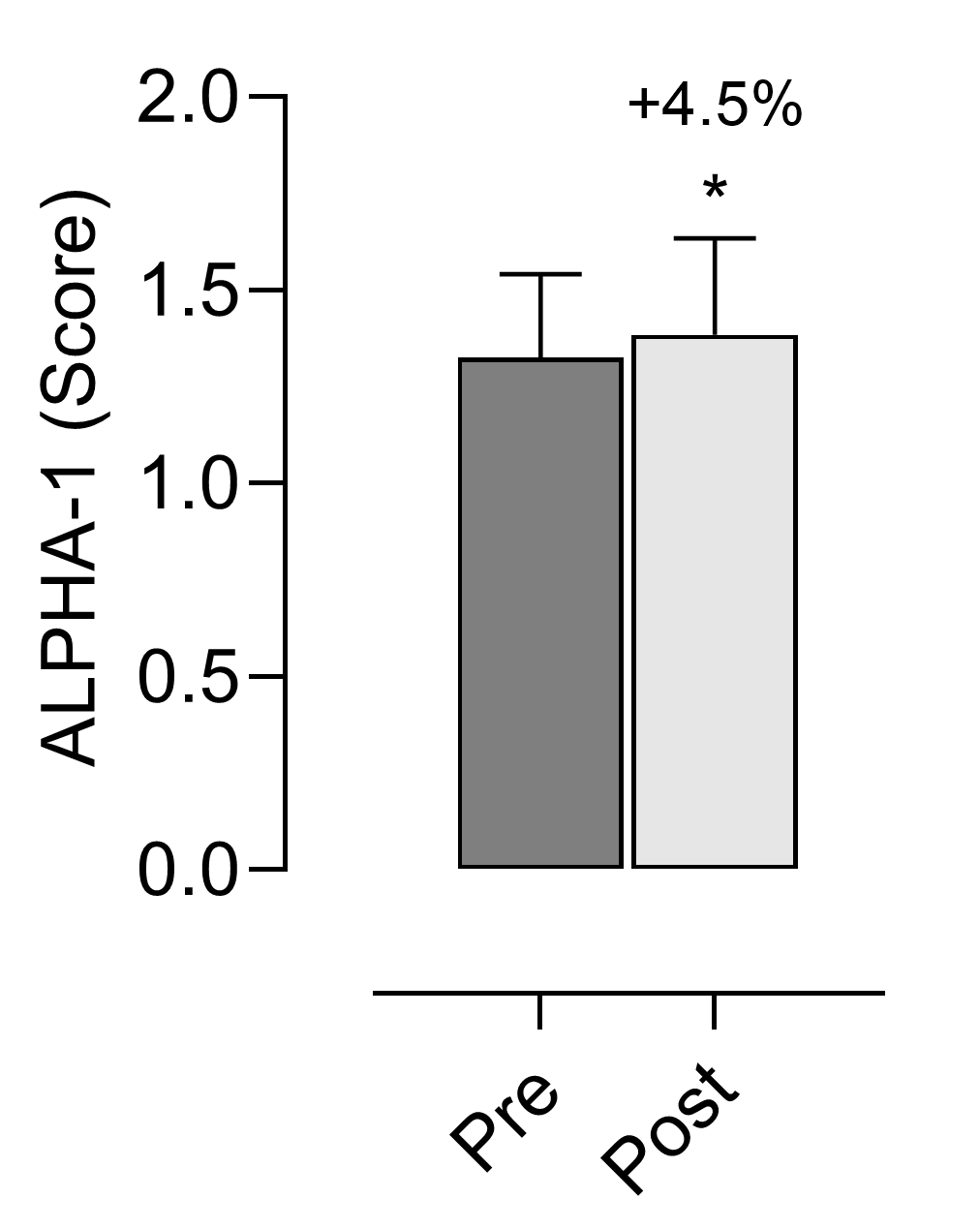
Results: Parasympathetic Activity (RMSSD) increased by 19.4% (14.19 to 16.95, p = 0.0001) (Figure 1). Sympathetic Activity (Stress Index) decreased by 45.7% (403.74 to 201.22, p < 0.0001) (Figure 2). Autonomic Regulation (Alpha-1 value) increased by 4.5% (1.323 to 1.384, p = 0.0495) (Figure 3).
Conclusion: This pilot study suggests that a single 15-minute session of NanoVi® therapy significantly enhances parasympathetic tone, reduces sympathetic overactivity, and improves autonomic coordination. These findings indicate that NanoVi® may support autonomic balance and stress regulation, potentially benefiting individuals seeking enhanced recovery, wellness, or performance optimization. Future research with larger sample sizes, control groups, and long-term intervention studies is warranted to confirm and expand upon these results. For a real-world application of these results in an elite athletic context, see how NanoVi® improves HRV in Antonio Robustelli’s athlete testing.
Key Takeaways: Autonomic Balance Following a Single NanoVi® Session
| Metric | Change Observed | Statistical Significance |
| Parasympathetic Activation (RMSSD) | Increased by 19.4% (14.19 → 16.95) | p = 0.0001 |
| Sympathetic Activity (Stress Index) | Decreased by 45.7% (403.74 → 201.22) | p < 0.0001 |
| Autonomic Coordination (Alpha-1 / DFA-1) | Increased by 4.5% (1.323 → 1.384) | p = 0.0495 |
n = 39 participants. 15-minute NanoVi® session. Wilcoxon matched-pairs signed-rank test.
Report
Autonomic Nervous System Modulation Following NanoVi®: A Pilot Study
Clinical research: Susanne Neuy, MD
Institution: Praxis Dr. Neuy, Oberstaufen, Germany
Analysis and reporting: Francisco Cidral, Ph.D.
Institution: Scientifica Consulting, Orlando Florida; Experimental Neuroscience Laboratory (LaNEx), University of Southern Santa Catarina, Palhoça, Brazil; Integrative Wellbeing Institute, Windermere, FL, USA; Research Laboratory of Posturology and Neuromodulation (RELPON), Department of Human Neuroscience, Sapienza University, Rome, Italy.
Analysis and reporting: Nathalia Donatello, Ph.D.
Institution: Scientifica Consulting, Orlando Florida; Experimental Neuroscience Laboratory (LaNEx), University of Southern Santa Catarina, Palhoça, Brazil; Integrative Wellbeing Institute, Windermere, FL, USA.
Background
The autonomic nervous system (ANS) plays a crucial role in physiological regulation by balancing sympathetic and parasympathetic activity. Heart rate variability (HRV) is a well-established method for assessing autonomic function. This pilot study aimed to evaluate the effects of NanoVi® therapy on autonomic regulation using HRV analysis.
NanoVi® Technology for Autonomic Balance
NanoVi® is a bioengineering technology designed to enhance cellular repair, improve protein folding, and support oxidative stress recovery. It operates by influencing the ordered water surrounding proteins, supporting their function. By improving protein activity, NanoVi® may enhance performance, support wellness, and accelerate recovery.
It has been studied for its ability to:
- Enhance protein folding for optimal cellular repair.
- Reduce oxidative stress damage that impairs cellular function.
- Strengthen immune response and antioxidant defense mechanisms.
- Improve autonomic balance and regulation by supporting cellular energy processes.
Objective
This study explored whether a 15-minute session of NanoVi® could enhance HRV parameters, particularly those related to parasympathetic tone and stress response.
Methods
Thirty-nine (n=39) participants underwent baseline HRV measurement (Group 1) followed by a 15-minute NanoVi® therapy session, after which HRV was reassessed (Group 2). HRV parameters were measured using the ANS Analysis device (Creating Health, Germany). Key autonomic markers analyzed included:
- RMSSD (Root Mean Square of Successive Differences) – a measure of parasympathetic activity.
- Stress Index (SI, Baevsky method) – an indicator of sympathetic activity.
- Alpha-1 value (DFA 1) – an index of overall autonomic regulation and coordination.
Statistical Analysis:
- Software GraphPad Prism, v10.0 (La Jolla, CA, USA) was used for the analysis.
- Normality assessed with the Shapiro-Wilk test.
- Wilcoxon matched-pairs signed-rank test used for non-parametric comparisons.
Results
- (Figure 1) – Parasympathetic Activity (RMSSD): Increased by 19.4% (14.19 to 16.95, p = 0.0001)
- (Figure 2) – Sympathetic Activity (Stress Index): Decreased by 45.7% (403.74 to 201.22, p < 0.0001)
- (Figure 3) – Autonomic Regulation (Alpha-1 value): Increased by 4.5% (1.323 to 1.384, p = 0.0495)
Conclusion
This pilot study suggests that a single 15-minute session of NanoVi® therapy significantly enhances parasympathetic tone, reduces sympathetic overactivity, and improves autonomic coordination. These findings indicate that NanoVi® may support autonomic balance and stress regulation, potentially benefiting individuals seeking enhanced recovery, wellness, or performance optimization. Future research with larger sample sizes, control groups, and long-term intervention studies is warranted to confirm and expand upon these results.
RMSSD
Figure 1. Change in RMSSD (Parasympathetic Activity) Before and After NanoVi® Inhalation Root Mean Square of Successive Differences (RMSSD) values before and after 15-minute NanoVi® inhalation therapy(n = 39). RMSSD, a marker of parasympathetic activity, increased significantly by 19.4% (14.19 to 16.95, p = 0.0001, Wilcoxon matched-pairs signed-rank test). Error bars represent the standard error of the mean (SEM).
Stress Index
Figure 2. Change in Stress Index (Sympathetic Activity) Before and After NanoVi® Inhalation Stress Index (SI, Baevsky method) values before and after 15-minute NanoVi® inhalation therapy (n = 39). The Stress Index, a marker of sympathetic nervous system activity, decreased significantly by 45.7% (403.74 to 201.22, p < 0.0001, Wilcoxon matched-pairs signed-rank test). Lower SI values indicate reduced sympathetic dominance and improved autonomic balance. Error bars represent the standard error of the mean (SEM).
Alpha-1
Figure 3. Change in Alpha-1 Value (Autonomic Regulation) Before and After NanoVi® Inhalation Alpha-1 value (DFA 1) before and after 15-minute NanoVi® inhalation therapy (n = 39). The Alpha-1 value, which reflects the quality of autonomic regulation and coordination, increased by 4.5% (1.323 to 1.384, p = 0.0495, Wilcoxon matched-pairs signed-rank test), suggesting improved autonomic adaptability and resilience. Error bars represent the standard error of the mean (SEM).
Find Out Whether NanoVi Is Right for You
NanoVi is used by athletes, wellness professionals, and health-conscious individuals looking to support recovery, performance, and healthy aging at the cellular level.
Complete the form below to receive:
- Detailed information about NanoVi technology
- Research and clinical findings
- NanoVi model comparisons
- Pricing and ownership options
- Guidance on choosing the right NanoVi device for your goals
You’ll receive immediate access to NanoVi information, pricing, and next-step guidance to help you determine whether NanoVi is the right fit for you.

