



We spend a great deal of time studying how the body responds to stress at the cellular level, particularly how cellular function, resilience, and recovery influence long-term health. One of the most widely researched biological processes connected to aging is oxidative stress.
Oxidative stress is often discussed in simplistic terms, but the reality is far more nuanced. It is not inherently harmful, nor is it something the body should eliminate entirely. Instead, oxidative stress reflects a dynamic process that plays a role in cellular communication, adaptation, and resilience.
Understanding oxidative stress – and how it changes with age – offers valuable insight into why the body’s ability to recover, adapt, and maintain balance can shift over time.
What Is Oxidative Stress?
Oxidative stress occurs when reactive molecules produced during normal metabolism exceed the body’s ability to regulate them efficiently. These molecules are generated continuously as part of essential biological processes, including:
- Energy production
- Immune response
- Cellular signaling
- Physical and environmental stress adaptation
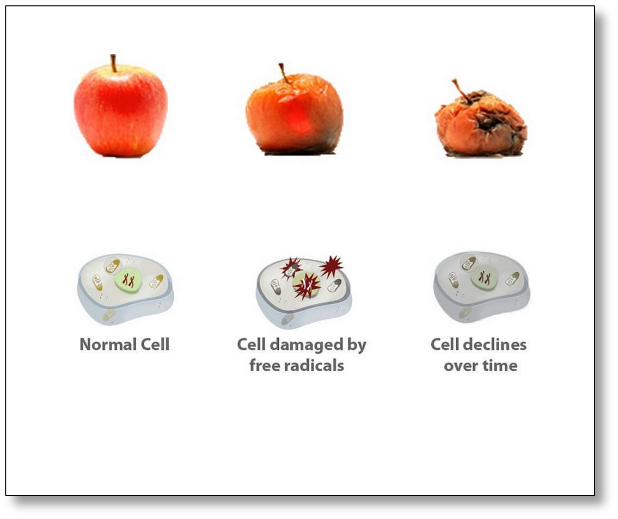
The visible oxidative stress damage to an apple reflects what happens in the cells.
In healthy systems, the body manages this activity through tightly regulated pathways. Oxidative stress becomes problematic not because these molecules exist, but because the systems responsible for maintaining balance become less responsive over time.
From a cellular perspective, oxidative stress is best understood as a regulatory challenge, not a standalone condition.
Oxidative Stress and Aging: A Systems-Level Perspective
The relationship between oxidative stress and aging is well documented. As the body ages, multiple systems gradually lose efficiency at the same time:
- Cellular repair processes slow
- Energy production becomes less adaptive
- Protein structures are more vulnerable to disruption
- Communication between cells becomes less precise
Oxidative stress contributes to these changes by placing additional demands on already taxed regulatory systems. Rather than causing aging outright, oxidative stress amplifies age-related decline by damaging proteins so that recovery and cellular functions no longer operate properly.
This systems-level view is critical. Aging is not the result of one failing process, but reflects a gradual reduction in the body’s ability to coordinate, adapt, and restore balance.
Common Oxidative Stress Symptoms
Because oxidative stress affects cells throughout the body, its effects often appear as broad, nonspecific symptoms rather than a single identifiable issue.
Commonly reported oxidative stress symptoms include:
- Persistent fatigue or low energy
- Slower recovery after physical or cognitive exertion
- Reduced stress tolerance
- Brain fog or diminished mental clarity
- Generalized stiffness or inflammation
- Changes in sleep quality
These symptoms often overlap with normal aging, which can make oxidative stress difficult to recognize. However, when multiple systems begin to show reduced resilience, oxidative imbalance may be part of the larger picture.
How Oxidative Stress Affects Cellular Function
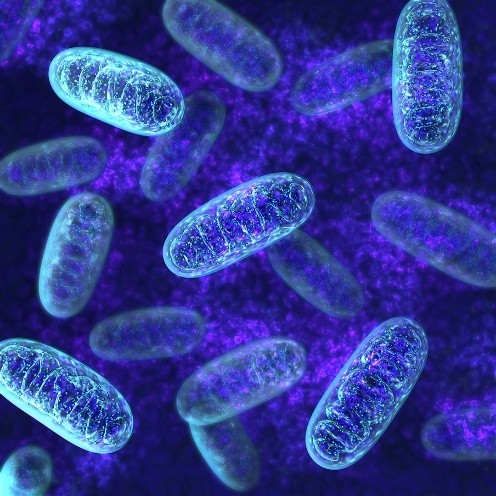
Mitochondria are largely made up of proteins which are critical to energy production
Cellular Energy Production
Cells rely on mitochondria to meet energy demands. Oxidative stress can interfere with mitochondrial efficiency, particularly during periods of sustained physical or mental stress. Over time, this may reduce the cell’s ability to adapt quickly to changing conditions.
Protein Structure and Folding
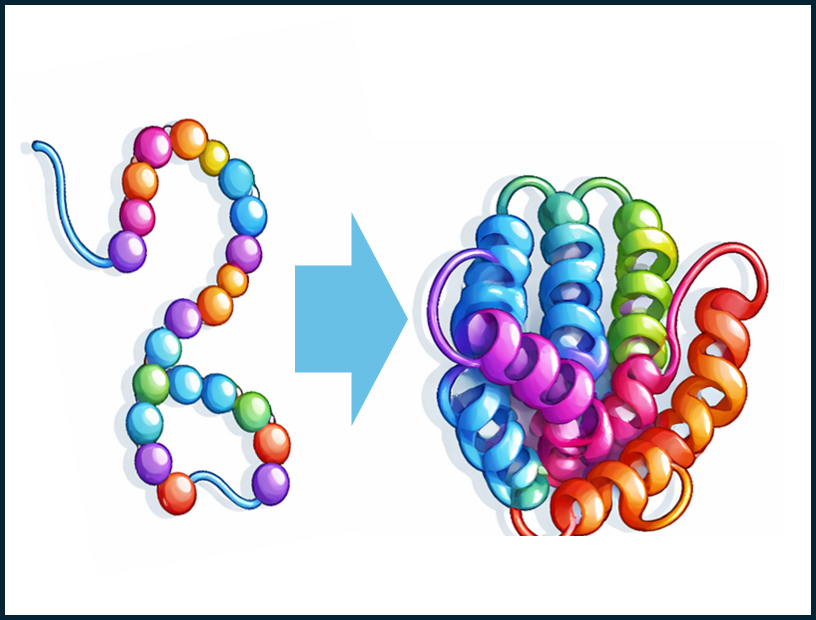
Proteins must fold into precise shapes to function
Proteins must form and maintain precise shapes to function properly. Oxidative conditions can disrupt protein folding, increasing the likelihood of inefficiency or miscommunication within the cell. Because proteins regulate nearly every cellular function, even small disruptions can have wide-ranging effects.
Cellular Signaling and Communication
Cells communicate through complex signaling networks that depend on correct protein functions. Oxidative stress damages proteins that can interfere with these networks, making cellular responses slower, weaker, or less coordinated.
When signaling efficiency declines, recovery becomes more difficult – particularly as the body ages.
Why Oxidative Stress Cannot (and Should Not) Be Eliminated
A common misconception is that oxidative stress is something the body should eliminate entirely. In reality, reactive molecules play essential roles in normal physiology, including:
- Immune defense
- Stress adaptation
- Cellular signaling
- Metabolic regulation
The goal is not elimination, but regulation.
Healthy aging depends on the body’s ability to manage oxidative activity effectively—responding when needed and restoring balance afterward. Problems arise when recovery systems can no longer keep pace with ongoing demands.
The Importance of Cellular Repair and Recovery
The human body is equipped with sophisticated cellular repair mechanisms designed to address daily wear and tear. These systems help:
- Restore damaged cellular components
- Refold or recycle proteins
- Clear dysfunctional material
- Reestablish functional balance
With age, these repair systems may become less responsive, especially under chronic stress. As a result, recovery takes longer and adaptability decreases.
At ENG3, we view recovery capacity as one of the most important factors in long-term cellular health. The ability to restore balance after stress is often more meaningful than the stress itself.
Redox Balance and Cellular Adaptability
Central to oxidative regulation is redox balance – the dynamic equilibrium that allows cells to sense stress, signal appropriately, and activate recovery pathways.
Redox signaling enables cells to:
- Detect environmental and internal stressors
- Adjust energy production
- Coordinate repair responses
- Communicate effectively across tissues
When redox balance becomes disrupted, cellular adaptability declines. Over time, this reduced adaptability contributes to many of the functional changes commonly associated with aging.
NanoVi’s Approach to Supporting Cellular Function
Our work centers on how supporting protein functions improves regeneration and resilience over time. The NanoVi® Device was developed to engage with the body’s natural regulatory processes by supporting all proteins including those involved in redox balance and adaptive response.
The device works by modifying humidity that is inhaled during a session, without introducing chemicals, supplements, or external substances. NanoVi influences the cellular water in a way that supports protein folding. Simply creating a better environment in the cell allows the body’s own systems to respond naturally.

NanoVi is easy to use at home and is found at performance, recovery and longevity centers.
NanoVi® has been studied in research and observational contexts related to cellular stress response, energy efficiency, and recovery dynamics – areas increasingly recognized as central to healthy aging. Rather than targeting isolated outcomes, this work explores how supporting the body’s regulatory capacity may influence long-term adaptability.
The NanoVi® Device is not intended to diagnose, treat, cure, or prevent disease. It is positioned within a broader framework of lifestyle, stress management, and biological resilience.
Why Recovery Becomes More Important With Age

Healthy aging relies on cellular repair and resilience
In younger systems, cells tend to recover quickly from oxidative challenges. As the body ages, recovery often requires more time and internal resources.
This shift helps explain why aging is frequently associated with:
- Slower physical and cognitive recovery
- Increased sensitivity to stress
- Reduced tolerance for prolonged demands
Modern research increasingly emphasizes recovery efficiency – not just damage prevention – as a defining factor in cellular health and aging.
Rethinking Aging at the Cellular Level
Aging is no longer viewed simply as inevitable decline. Instead, it is increasingly understood as a gradual change in how effectively cells:
- Communicate
- Regulate stress
- Repair damage
- Restore balance
Oxidative stress plays a central role in this process – not only as an adversary to eliminate, but also as an essential signaling molecule. The same reactive oxygen species that does damage also triggers repair so it is better to support the body’s natural process than override them.
We believe that supporting the body’s inherent capacity to adapt and recover is foundational to long-term health. Understanding oxidative stress through this lens reframes aging as a matter of resilience, regulation, and recovery.
Key Takeaways: Oxidative Stress and Aging
- Oxidative stress is a normal biological process, not inherently harmful
- Aging reflects reduced regulatory efficiency, not a single failing system
- Oxidative stress symptoms are often systemic and subtle
- Cellular signaling and recovery capacity are central to resilience
- Supporting balance and adaptability is key to healthy aging
What Could NanoVi Do for You?
Sign in and we’ll send you pricing and research results confirming the many benefits of NanoVi.
Pricing lands in your inbox instantly. We only send what’s relevant and helpfu.
We spend a great deal of time studying how the body responds to stress at the cellular level, particularly how cellular function, resilience, and recovery influence long-term health. One of the most widely researched biological processes connected to aging is oxidative stress.
Oxidative stress is often discussed in simplistic terms, but the reality is far more nuanced. It is not inherently harmful, nor is it something the body should eliminate entirely. Instead, oxidative stress reflects a dynamic process that plays a role in cellular communication, adaptation, and resilience.
Understanding oxidative stress – and how it changes with age – offers valuable insight into why the body’s ability to recover, adapt, and maintain balance can shift over time.
What Is Oxidative Stress?
Oxidative stress occurs when reactive molecules produced during normal metabolism exceed the body’s ability to regulate them efficiently. These molecules are generated continuously as part of essential biological processes, including:
- Energy production
- Immune response
- Cellular signaling
- Physical and environmental stress adaptation
The visible oxidative stress damage to an apple reflects what happens in the cells.
In healthy systems, the body manages this activity through tightly regulated pathways. Oxidative stress becomes problematic not because these molecules exist, but because the systems responsible for maintaining balance become less responsive over time.
From a cellular perspective, oxidative stress is best understood as a regulatory challenge, not a standalone condition.
Oxidative Stress and Aging: A Systems-Level Perspective
The relationship between oxidative stress and aging is well documented. As the body ages, multiple systems gradually lose efficiency at the same time:
- Cellular repair processes slow
- Energy production becomes less adaptive
- Protein structures are more vulnerable to disruption
- Communication between cells becomes less precise
Oxidative stress contributes to these changes by placing additional demands on already taxed regulatory systems. Rather than causing aging outright, oxidative stress amplifies age-related decline by damaging proteins so that recovery and cellular functions no longer operate properly.
This systems-level view is critical. Aging is not the result of one failing process, but reflects a gradual reduction in the body’s ability to coordinate, adapt, and restore balance.
Common Oxidative Stress Symptoms
Because oxidative stress affects cells throughout the body, its effects often appear as broad, nonspecific symptoms rather than a single identifiable issue.
Commonly reported oxidative stress symptoms include:
- Persistent fatigue or low energy
- Slower recovery after physical or cognitive exertion
- Reduced stress tolerance
- Brain fog or diminished mental clarity
- Generalized stiffness or inflammation
- Changes in sleep quality
These symptoms often overlap with normal aging, which can make oxidative stress difficult to recognize. However, when multiple systems begin to show reduced resilience, oxidative imbalance may be part of the larger picture.
How Oxidative Stress Affects Cellular Function
Mitochondria are largely made up of proteins which are critical to energy production
Cellular Energy Production
Cells rely on mitochondria to meet energy demands. Oxidative stress can interfere with mitochondrial efficiency, particularly during periods of sustained physical or mental stress. Over time, this may reduce the cell’s ability to adapt quickly to changing conditions.
Protein Structure and Folding
Proteins must fold into precise shapes to function
Proteins must form and maintain precise shapes to function properly. Oxidative conditions can disrupt protein folding, increasing the likelihood of inefficiency or miscommunication within the cell. Because proteins regulate nearly every cellular function, even small disruptions can have wide-ranging effects.
Cellular Signaling and Communication
Cells communicate through complex signaling networks that depend on correct protein functions. Oxidative stress damages proteins that can interfere with these networks, making cellular responses slower, weaker, or less coordinated.
When signaling efficiency declines, recovery becomes more difficult – particularly as the body ages.
Why Oxidative Stress Cannot (and Should Not) Be Eliminated
A common misconception is that oxidative stress is something the body should eliminate entirely. In reality, reactive molecules play essential roles in normal physiology, including:
- Immune defense
- Stress adaptation
- Cellular signaling
- Metabolic regulation
The goal is not elimination, but regulation.
Healthy aging depends on the body’s ability to manage oxidative activity effectively—responding when needed and restoring balance afterward. Problems arise when recovery systems can no longer keep pace with ongoing demands.
The Importance of Cellular Repair and Recovery
The human body is equipped with sophisticated cellular repair mechanisms designed to address daily wear and tear. These systems help:
- Restore damaged cellular components
- Refold or recycle proteins
- Clear dysfunctional material
- Reestablish functional balance
With age, these repair systems may become less responsive, especially under chronic stress. As a result, recovery takes longer and adaptability decreases.
At ENG3, we view recovery capacity as one of the most important factors in long-term cellular health. The ability to restore balance after stress is often more meaningful than the stress itself.
Redox Balance and Cellular Adaptability
Central to oxidative regulation is redox balance – the dynamic equilibrium that allows cells to sense stress, signal appropriately, and activate recovery pathways.
Redox signaling enables cells to:
- Detect environmental and internal stressors
- Adjust energy production
- Coordinate repair responses
- Communicate effectively across tissues
When redox balance becomes disrupted, cellular adaptability declines. Over time, this reduced adaptability contributes to many of the functional changes commonly associated with aging.
NanoVi’s Approach to Supporting Cellular Function
Our work centers on how supporting protein functions improves regeneration and resilience over time. The NanoVi® Device was developed to engage with the body’s natural regulatory processes by supporting all proteins including those involved in redox balance and adaptive response.
The device works by modifying humidity that is inhaled during a session, without introducing chemicals, supplements, or external substances. NanoVi influences the cellular water in a way that supports protein folding. Simply creating a better environment in the cell allows the body’s own systems to respond naturally.
NanoVi is easy to use at home and is found at performance, recovery and longevity centers.
NanoVi® has been studied in research and observational contexts related to cellular stress response, energy efficiency, and recovery dynamics – areas increasingly recognized as central to healthy aging. Rather than targeting isolated outcomes, this work explores how supporting the body’s regulatory capacity may influence long-term adaptability.
The NanoVi® Device is not intended to diagnose, treat, cure, or prevent disease. It is positioned within a broader framework of lifestyle, stress management, and biological resilience.
Why Recovery Becomes More Important With Age
In younger systems, cells tend to recover quickly from oxidative challenges. As the body ages, recovery often requires more time and internal resources.
Healthy aging relies on cellular repair and resilience
This shift helps explain why aging is frequently associated with:
- Slower physical and cognitive recovery
- Increased sensitivity to stress
- Reduced tolerance for prolonged demands
Modern research increasingly emphasizes recovery efficiency – not just damage prevention – as a defining factor in cellular health and aging.
Rethinking Aging at the Cellular Level
Aging is no longer viewed simply as inevitable decline. Instead, it is increasingly understood as a gradual change in how effectively cells:
- Communicate
- Regulate stress
- Repair damage
- Restore balance
Oxidative stress plays a central role in this process – not only as an adversary to eliminate, but also as an essential signaling molecule. The same reactive oxygen species that does damage also triggers repair so it is better to support the body’s natural process than override them.
We believe that supporting the body’s inherent capacity to adapt and recover is foundational to long-term health. Understanding oxidative stress through this lens reframes aging as a matter of resilience, regulation, and recovery.
Key Takeaways: Oxidative Stress and Aging
- Oxidative stress is a normal biological process, not inherently harmful
- Aging reflects reduced regulatory efficiency, not a single failing system
- Oxidative stress symptoms are often systemic and subtle
- Cellular signaling and recovery capacity are central to resilience
- Supporting balance and adaptability is key to healthy aging
What Could NanoVi Do for You?
Sign in and we’ll send you pricing and research results confirming the many benefits of NanoVi.
Pricing lands in your inbox instantly. We only send what’s relevant and helpfu.

